
Understanding user needs and gathering the requirements for smart cues prototypes
To better understand how smart cues could fit into the home environment, we conducted two rounds of co-design workshops.
Workshops 1-3: Physical Activity at Home
The first three workshops aimed to understand users’ attitudes towards technologies for supporting physical activity systems and their opinions on developing new habits more generally. To start, we ran pre-workshop individual interviews with each participant, which gave us a baseline idea of how they have engaged with physical activity in the past, what worked and what didn’t. This information informed the workshops. Workshop 1 focused on discussing habits and how to support them in daily life, Workshop 2 explored the various factors that can have impact on the development of physical activity habits (e.g age, health conditions, financial status) and potential issues they could introduce. Finally, Workshop 3 focused on habits in the home and what may help or hinder their formation.
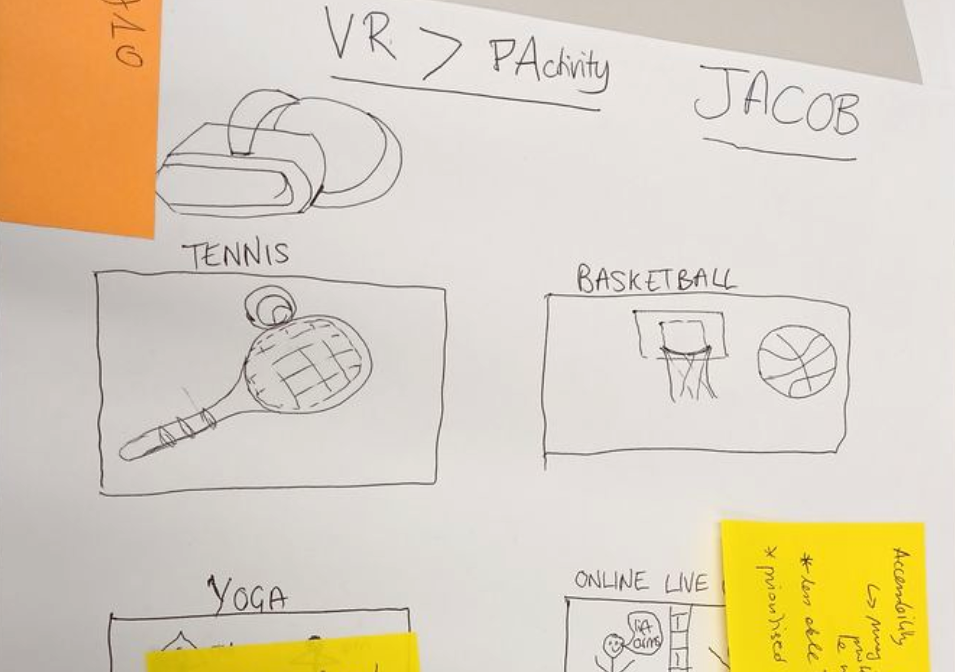
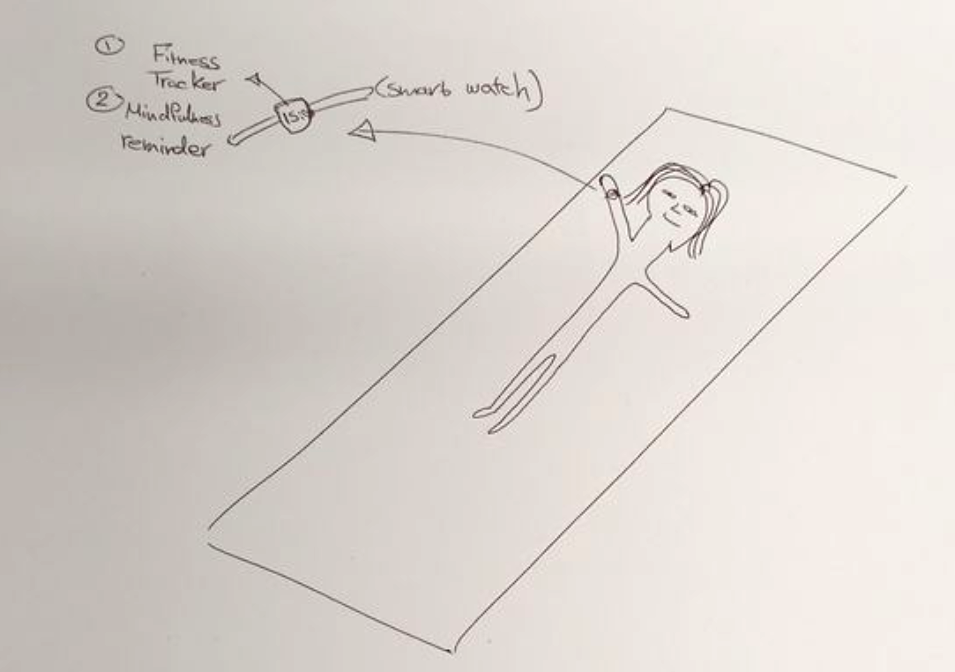
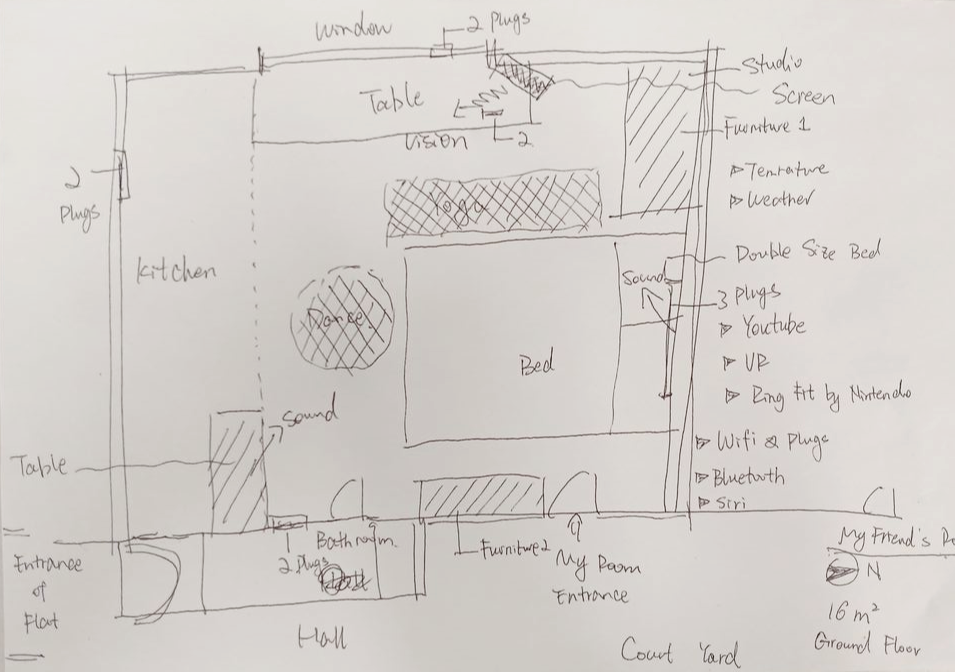
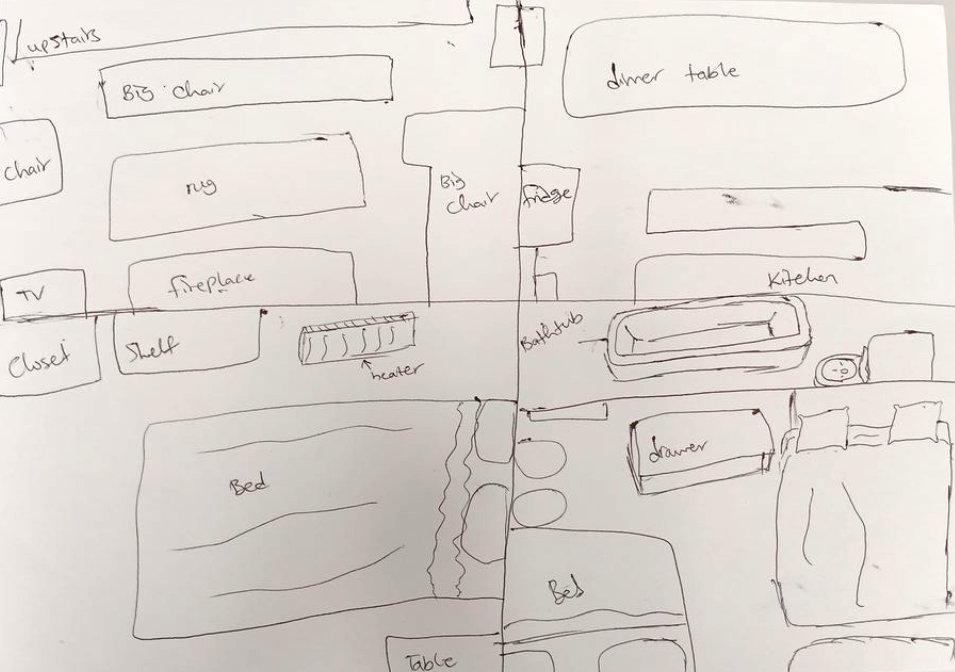
We learned three key lessons from the workshops:
- We identified key environmental factors that should be considered when designing any home-based physical activity technologies, including things (tangible or intangible) people might be missing when trying to engage in activity; the impact of the physical space that is available; the positive and negative influences of other people sharing the same environment; safety concerns; and the need to integrate existing technologies into activity routines.
- Sometimes, when co-designing new technologies, bias and assumptions to creep into participants’ design ideas, especially when trying to design solutions that would work for others.
- Participants use different approaches to (re)designing technology that prioritise different elements when making interventions suitable for a specific user and home. There seemed to be a distinction between prioritising Personal Aspects vs. Personal Circumstances, e.g. designing for people with disabilities vs. a person with caring responsibilities. There was also a difference between an Evolving Idea vs. Complete Idea, i.e. changing the focus of the design to match the target users group vs. keeping the core idea, but adapting it slightly to others.
The paper describing these workshops in more detail is currently under review.
Workshops 4-6: Features, Context and Values
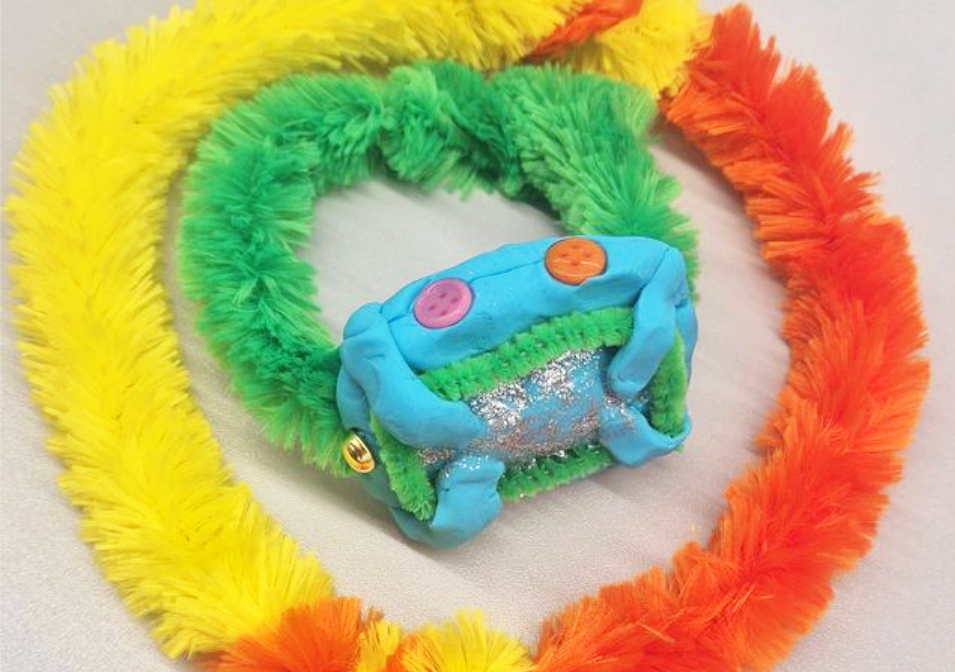
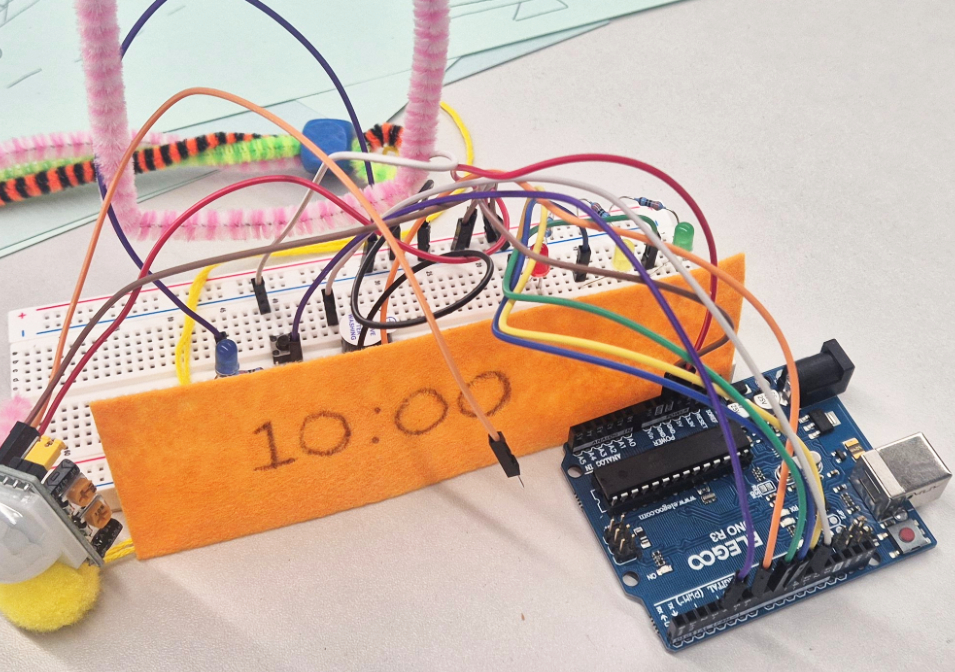
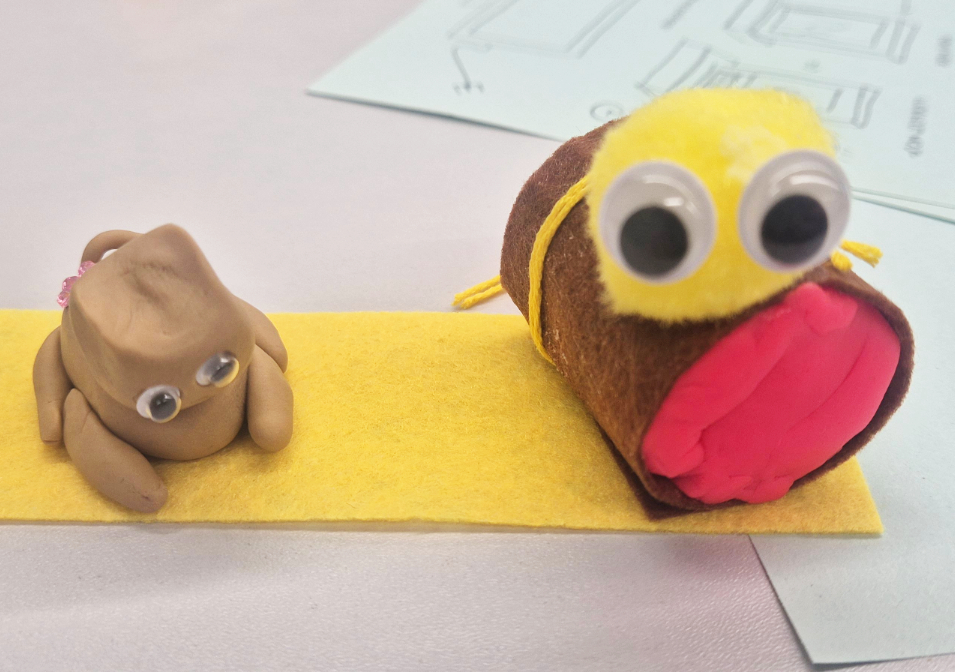
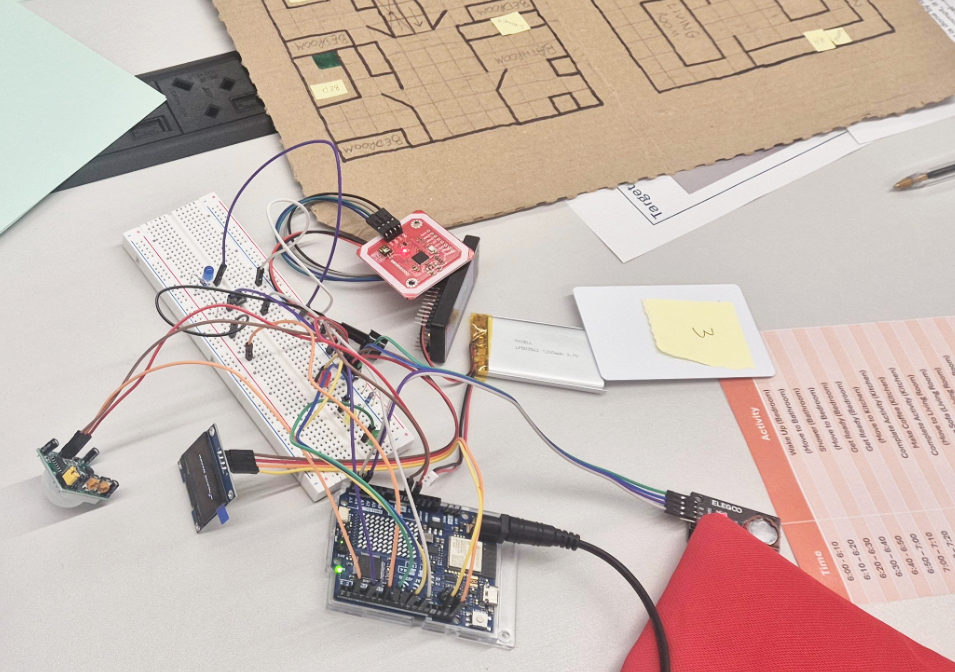
Based on the results of the initial workshops and the literature reviews we’ve conducted (read our review paper focused on technologies for supporting physical activity at home; another review focused on co-designing physical activity interventions is currently under review), we developed early prototypes to illustrate how technology could support small bouts of exercise at home (“exercise snacking”) and used them as props during the second round of workshops. You can see the earlier versions of the prototypes, and how they evolved throughout the project, in the Prototypes sections. The development process is described on the Stage 2 page.
The first workshop within this round (Workshop 4) focused on the characteristics of everyday routines, and how to develop technology to that takes into account existing routines within the home. Workshop 5 shifted the focus to other people that live within the same space, and how technology could best avoid negatively impacting them while still positively impacting the target user. The final workshop, Workshop 6, used exaggerated prototypes (e.g. a full-home surveillance system tracking activity, or a shock collar that punished non-compliance with raised insurance premiums) alongside updated prototypes from the previous workshops to start a conversation about broad factors and values (such as privacy, cost, risk, security) that may influence the adoption of new technologies.
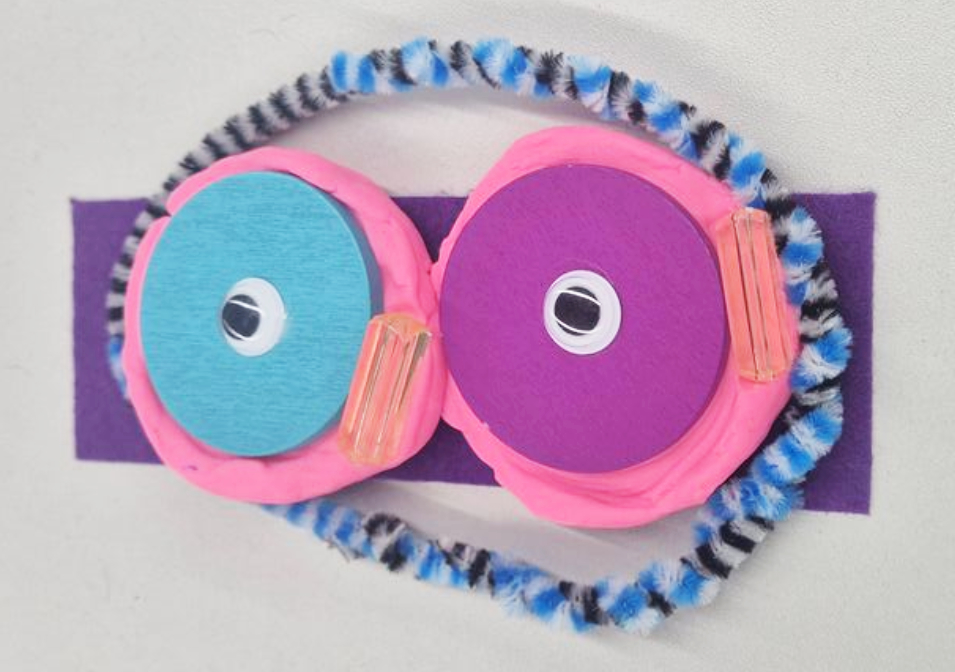
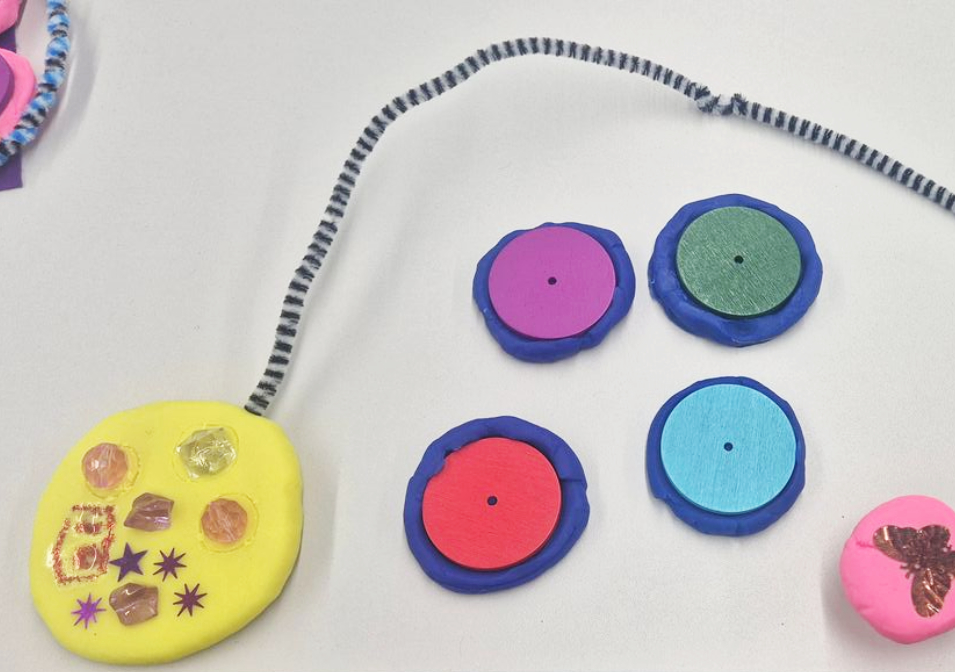
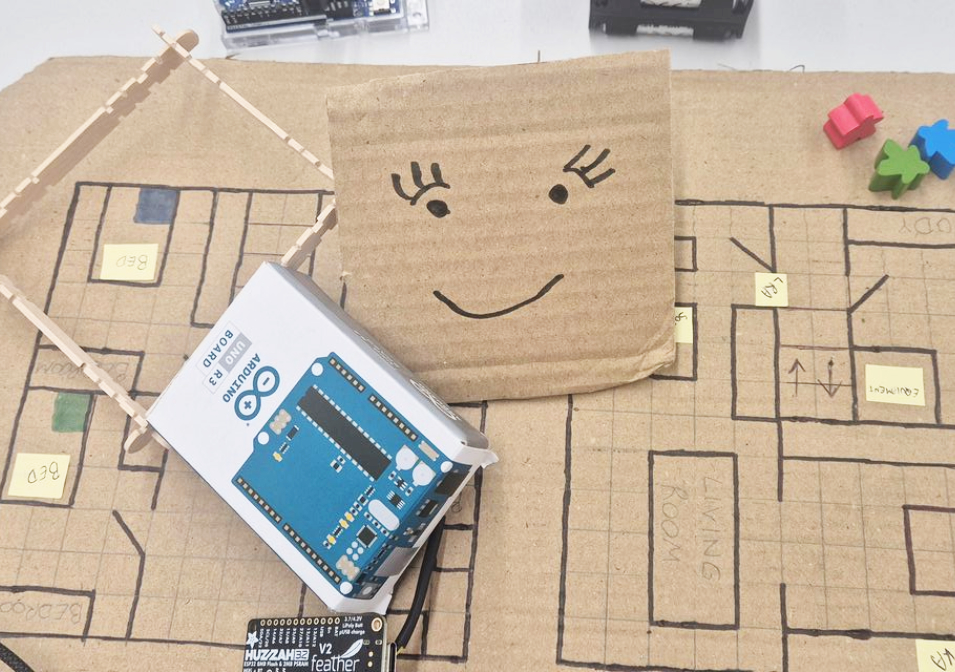
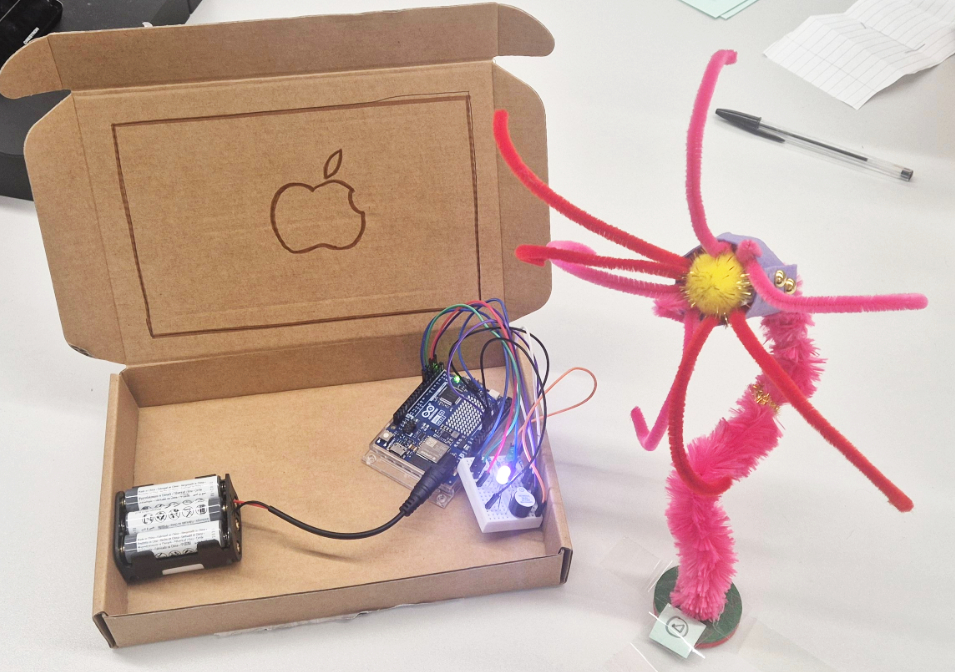
We’ve learned the following lessons:
- There needs to be variety in the design and presentation of home-based technologies for supporting physical activity – including a variety of exercises and variety of ways to engage with them.
- The devices need to be small and should easily integrate with the user’s environment.
- The design should consider the users and their needs, not just the behaviour they want to change.
