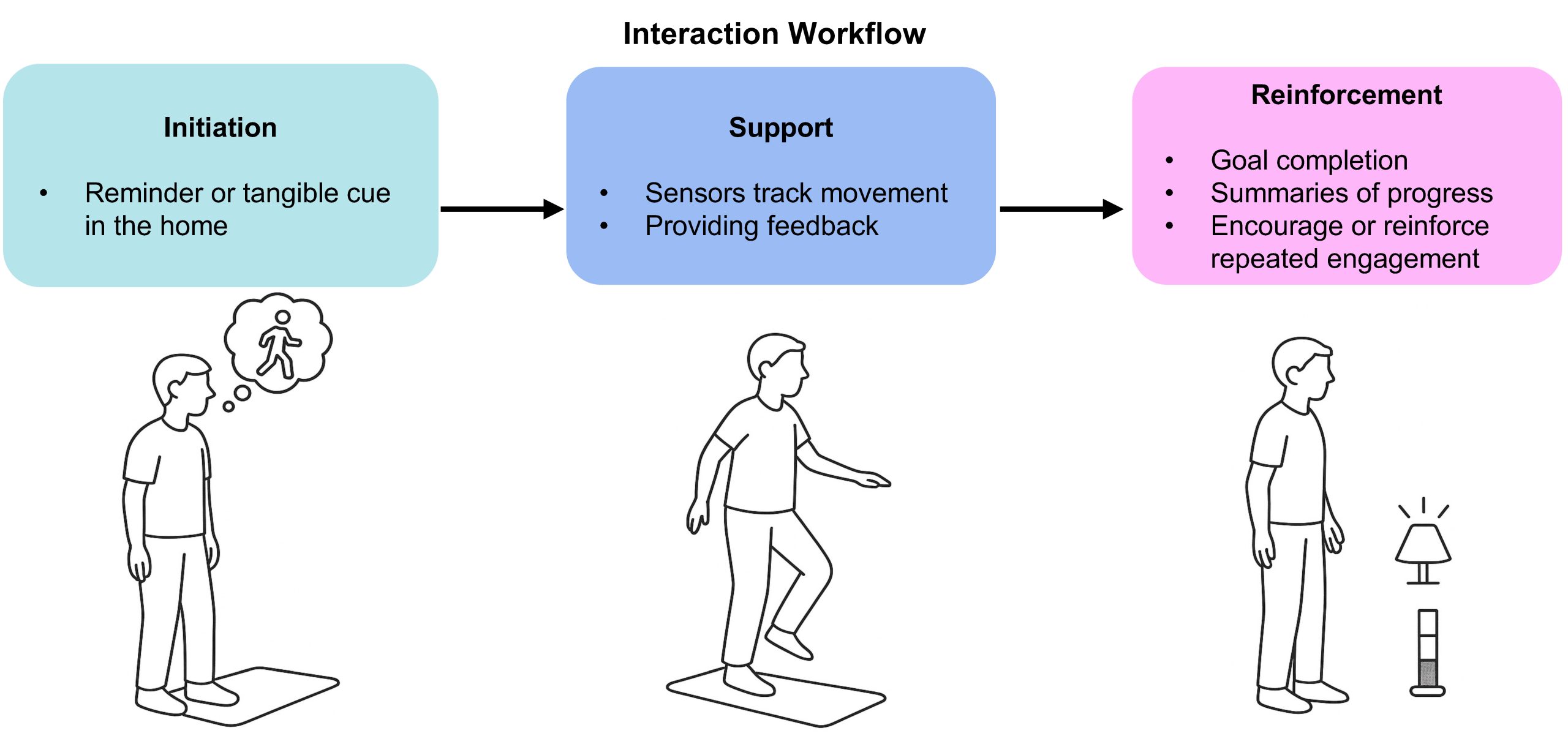
Figure 1: Typical interaction workflow (person illustration generated by ChatGPT)
“Beyond Passive Monitoring: A Systematic Review of Tangible Interactive Devices that Support Home-Based Physical Activity” has been accepted for presentation and publication at the ACM Conference on Human Factors in Computing Systems (CHI 2026), a leading international conference for HCI research.
This systematic review examines how tangible interactive devices support home-based physical activity. To contextualise the findings, we outline a typical interaction workflow (see Figure 1), consisting of three stages: initiation, in-session support, and reinforcement. In the initiation stage, users encounter a physical cue embedded in the home environment, such as a mat, controller, or augmented household object. Engagement with the device triggers the support stage, where sensors, for example force sensors or inertial measurement units, detect movement and provide real-time visual, audio, or haptic feedback based on performance and completion. Finally, in the reinforcement stage, the system confirms goal completion or presents a brief summary to encourage repeated engagement.

This review analyses device categories, sensing and interaction modalities, feedback mechanisms, and the behaviour change techniques (BCTs) present within these systems (see Figure 2 and 3). The findings indicate a strong emphasis on embedded devices targeting strength and balance activities, with feedback mechanisms that are predominantly visual and prompting structures that are relatively simple. While a range of techniques that can be classified as BCTs are present, these are often implicit or arise from the material and interactive properties of the devices themselves. On the other hand, they typically lack substantial evaluations for making sure the user continues to perform the behaviour once the researchers are gone and nobody is there to tell them off if they stop. The review therefore highlights a limited theoretical underpinning in much of the existing work and outlines design considerations for the development of future tangible physical activity devices (see Figure 4).


This paper will be presented at the 2026 CHI Conference on Human Factors in Computing Systems in April 2026, with two of our team attending the conference to share this work and the remaining member holding the fort back home.