
Understanding Habit Formation
Many people understand the importance of staying physically active, yet maintaining regular activity remains difficult. The challenge is often not starting, but sustaining behaviour over time.
One reason for this is that many approaches to physical activity rely heavily on motivation. Setting goals or tracking progress can help people begin, but these strategies often require continuous effort. When motivation drops, the behaviour is less likely to continue.
Habit formation offers a different perspective. Rather than depending on motivation, it focuses on repetition in a consistent context. When a behaviour is performed regularly in the same situation, the context itself begins to trigger the action. Over time, the behaviour becomes part of a routine and requires less conscious effort to initiate.
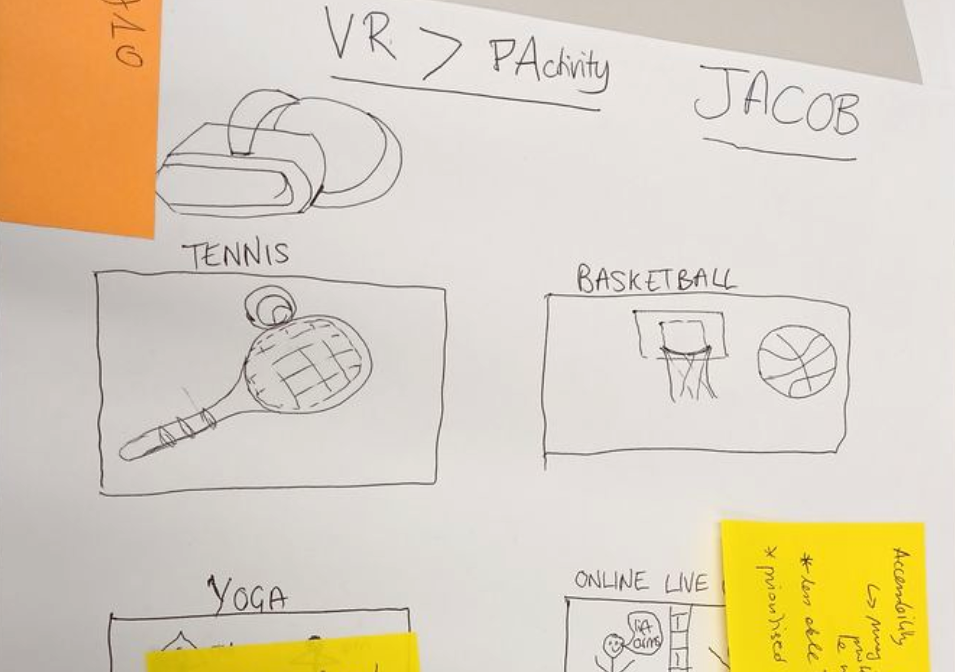
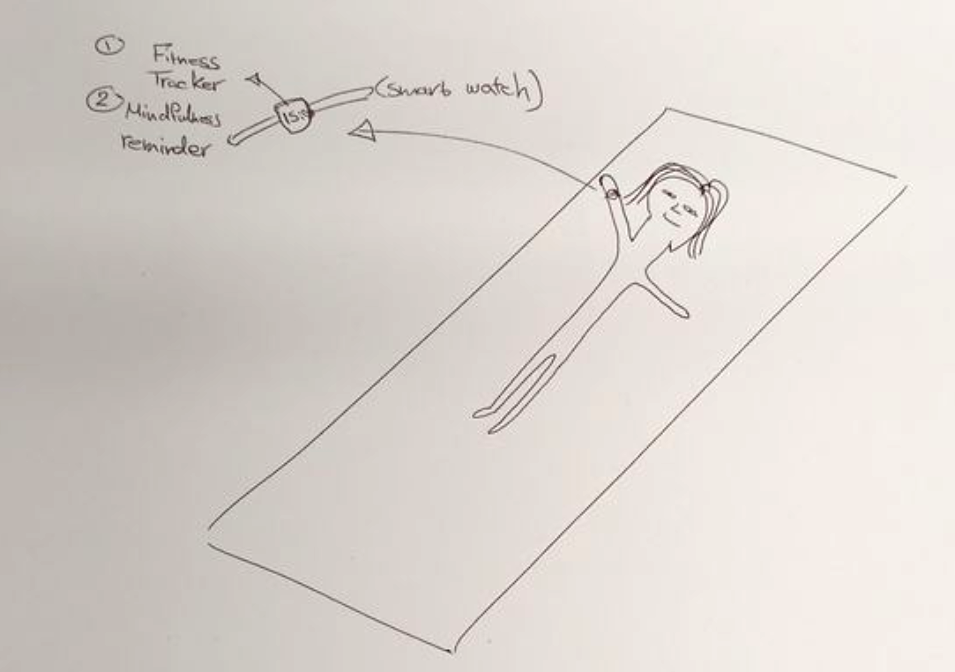
For this process to work, the behaviour needs to be easy to repeat. Short and manageable activities are therefore particularly suitable. The idea of exercise snacking reflects this approach by encouraging brief bouts of activity distributed throughout the day. These actions can be integrated into existing moments, such as waiting, transitioning between tasks, or taking short breaks. Because they require little time or preparation, they are more likely to be repeated consistently.
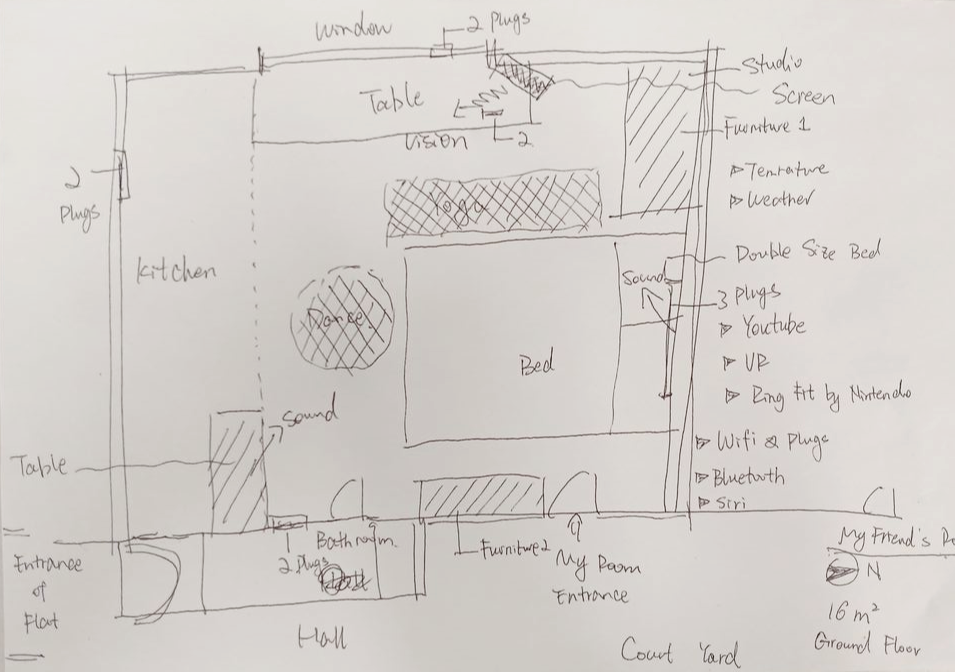
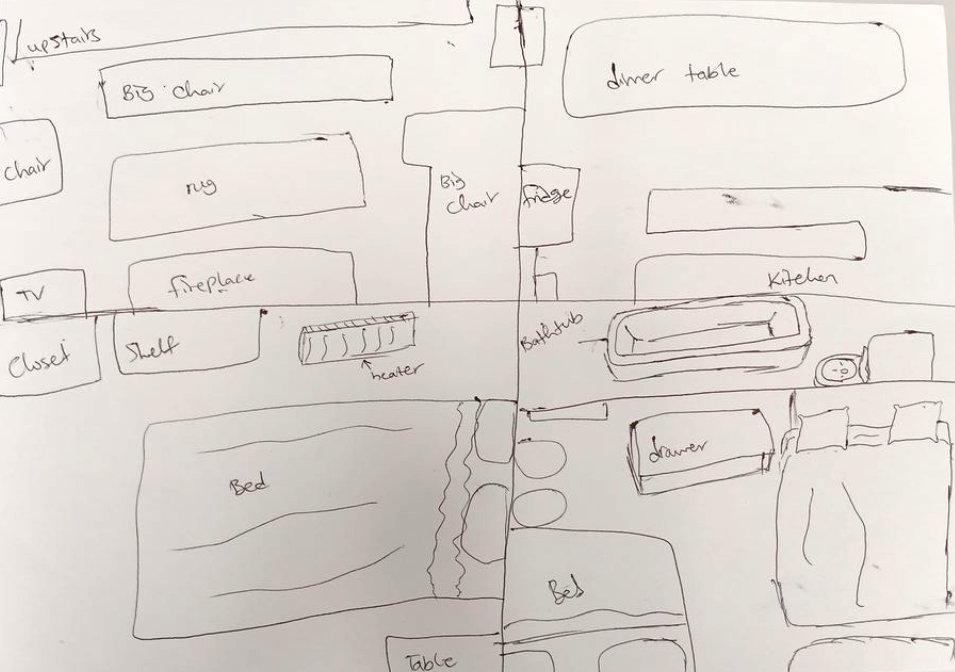
Repetition alone, however, is not enough. Habits are closely tied to the environments in which they occur. In the home, daily routines are often associated with specific places and patterns of behaviour. When an activity takes place in a stable setting, it becomes easier to form associations between the environment and the action. Over time, these associations act as cues that prompt behaviour automatically.
Objects and existing routines can play an important role in this process. When something is placed in a visible and meaningful location, it can act as a reminder without interrupting ongoing activity. These contextual cues are encountered naturally as part of everyday life, making them more likely to support repeated action.
Designing for habit formation therefore requires attention not only to the activity itself, but also to how it fits within everyday contexts. Actions need to be simple to initiate, easy to repeat, and aligned with existing routines. If an activity feels disruptive, inconvenient, or out of place, it is less likely to be sustained over time.
Supporting physical activity in this way shifts the focus from occasional effort to everyday consistency. By enabling small actions to be repeated in stable contexts, it becomes possible to embed movement into daily life and support lasting behaviour change. This perspective underpins the design of Smart Cues, where interactive devices are placed within everyday environments to act as subtle cues that encourage small, repeatable moments of activity.
Habit formation resources
[1] Gardner, B., Arden, M. A., Brown, D., Eves, F. F., Green, J., Hamilton, K., … Lally, P. (2023). Developing habit-based health behaviour change interventions: twenty-one questions to guide future research. Psychology & Health, 38(4), 518–540. https://doi.org/10.1080/08870446.2021.2003362
[2] Gardner, B., Lally, P. (2018). Modelling Habit Formation and Its Determinants. In: Verplanken, B. (eds) The Psychology of Habit. Springer, Cham. https://doi.org/10.1007/978-3-319-97529-0_12
[3] Stawarz, K., Gardner, B., Cox, A. et al. What influences the selection of contextual cues when starting a new routine behaviour? An exploratory study. BMC Psychol 8, 29 (2020). https://doi.org/10.1186/s40359-020-0394-9
[4] Katarzyna Stawarz, Anna L. Cox, and Ann Blandford. 2015. Beyond Self-Tracking and Reminders: Designing Smartphone Apps That Support Habit Formation. In Proceedings of the 33rd Annual ACM Conference on Human Factors in Computing Systems (CHI ’15). Association for Computing Machinery, New York, NY, USA, 2653–2662. https://doi.org/10.1145/2702123.2702230
